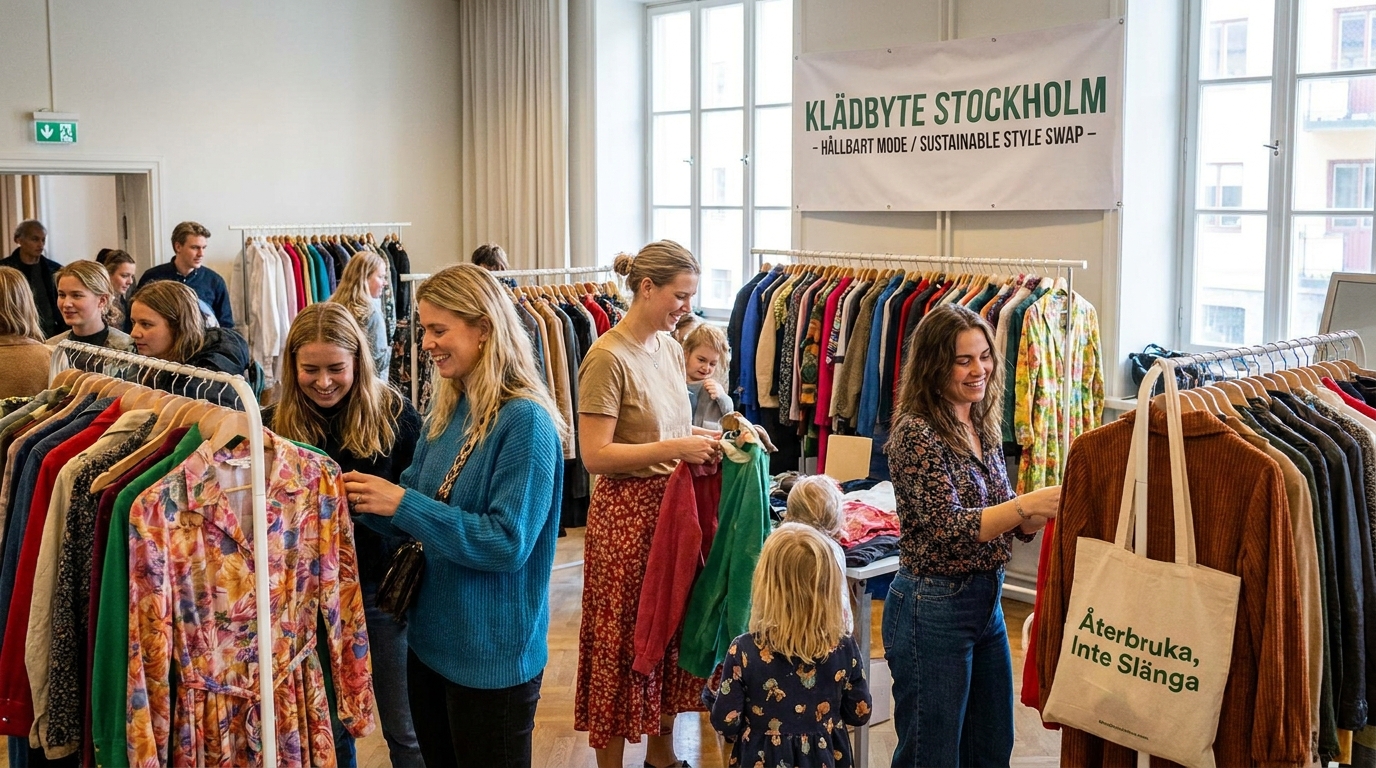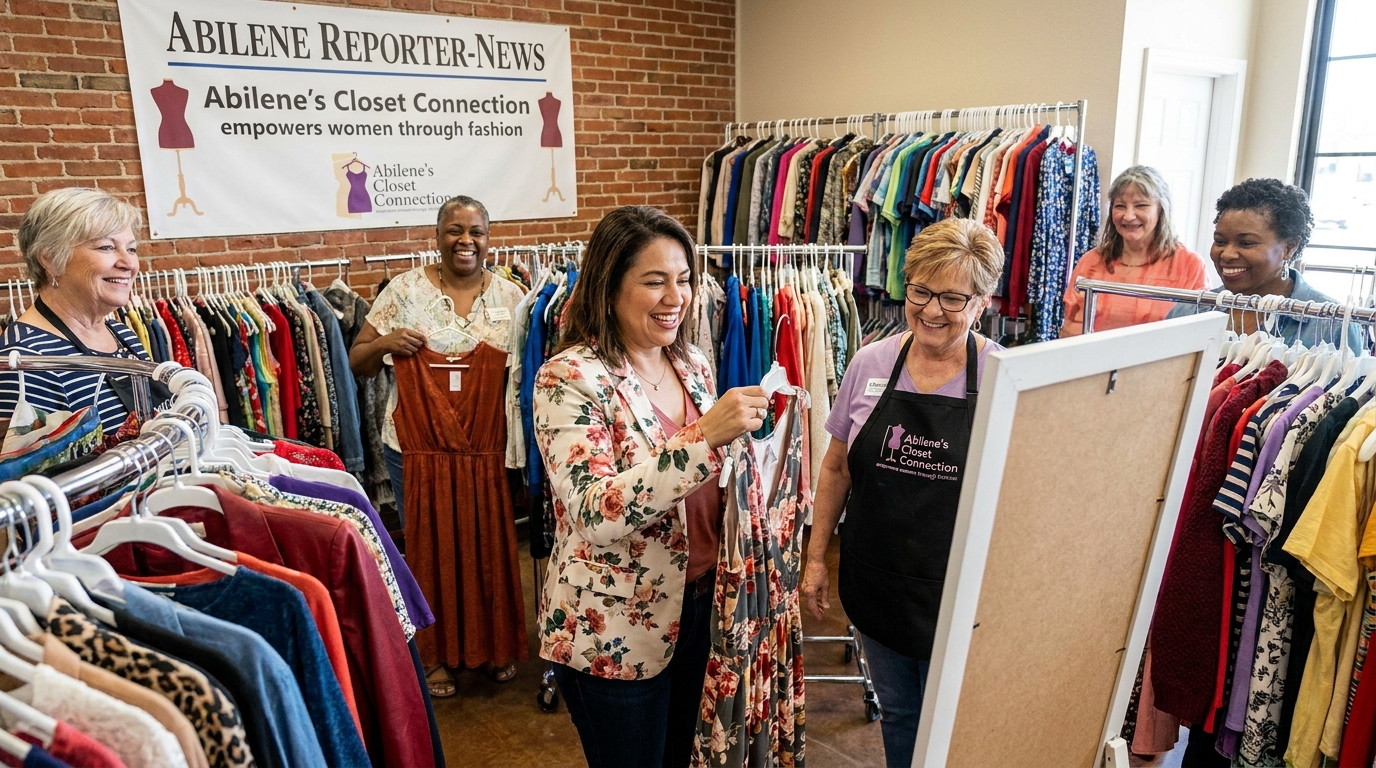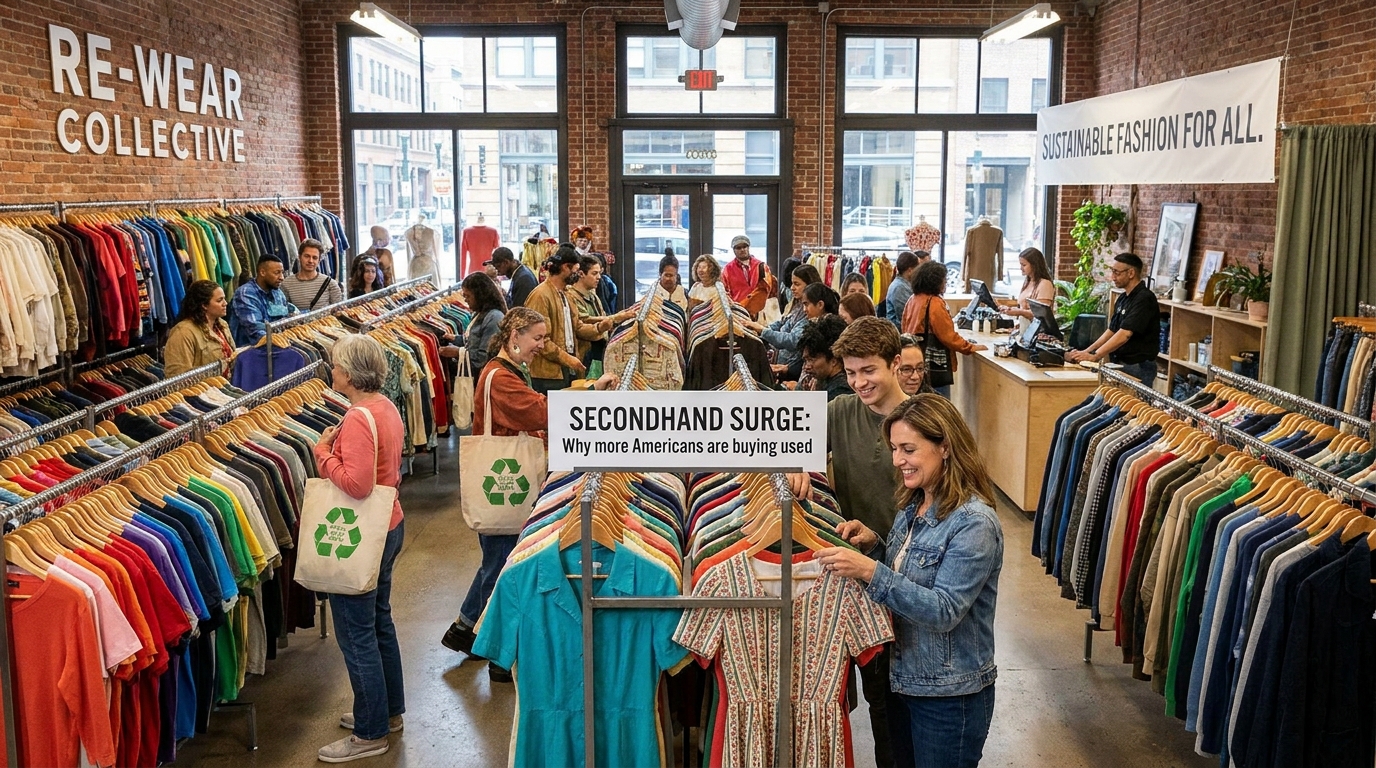
Have you noticed your friends bragging about their “new” vintage finds lately? You’re not alone—secondhand shopping is booming across the United States as more people ditch traditional retail for unique pre-loved treasures.
The Shift Toward Savvy and Sustainable Spending
So, what exactly triggered this massive change in how we shop? For a long time, buying used clothing was seen as a necessity for those on a tight budget, but today, it’s a badge of honor. One of the biggest drivers is the rising cost of living. With inflation making brand-new outfits feel like a luxury, thrift stores and resale shops offer a stylish escape that doesn’t break the bank. You can often find high-quality, designer pieces for a fraction of their original price, making fashion accessible to everyone.
Beyond the price tag, there is a deep-rooted cultural shift led by Gen Z and Millennials. These shoppers are increasingly conscious of the environmental “cost” of their closets. They know that the fashion industry is one of the world’s largest polluters, and by choosing used items, they are actively reducing waste and keeping textiles out of landfills. It’s a way to look good while feeling good about your footprint on the planet.
Digital Platforms and the “Cool” Factor
The “latest” in the world of secondhand isn’t just happening in dusty brick-and-mortar shops. Technology has completely transformed the experience. Apps like Poshmark, Depop, and ThredUp have turned thrifting into a social, high-tech hobby. Buying a vintage jacket is now as easy as scrolling through Instagram, and the thrill of the “hunt” has moved online. Even major retail giants are noticing; brands like Levi’s and Patagonia have launched their own resale programs, proving that “used” is the new “new.”
Redefining Fashion and Personal Identity
The impact of this surge goes far beyond just saving a few dollars. It is fundamentally changing our relationship with clothes. We are moving away from “fast fashion”—the cycle of buying cheap, trendy items and tossing them after two wears—and toward a more circular economy. Secondhand shopping encourages people to curate a unique personal style rather than just following the crowd. When you buy used, you’re often finding one-of-a-kind pieces that tell a story, allowing for much more creative self-expression.
What Lies Ahead for Our Closets
Looking forward, the secondhand market shows no signs of slowing down. Industry experts predict that the resale sector could eventually overtake fast fashion in terms of total market share. As the stigma around used goods completely disappears and the technology for authenticating and shipping items improves, our closets are likely to become even more diverse and sustainable. In the future, the question won’t be “Where did you buy that?” but rather “What’s the story behind that find?” It’s an exciting time for fashion lovers who care about both their wallets and the world.