Fashion Week Recap: The Most Talked-About Collections and Controversies
Fashion Week is a biannual spectacle that draws designers, celebrities, and fashion enthusiasts from around the world to witness the unveiling of new collections. It is a platform where creativity and artistry merge, providing an in-depth look at the future of fashion. This year’s Fashion Week was no exception, delivering a series of stunning collections and stirring controversies that have left the fashion community talking. In this comprehensive recap, we will explore the most noteworthy collections and the controversies that have sparked discussions across the globe.
A Celebration of Creativity: Highlighted Collections
Several designers made headlines with their groundbreaking collections, pushing the boundaries of fashion and redefining trends. One of the most talked-about collections was by Gucci, which presented a nostalgic yet contemporary line. Alessandro Michele, the creative director, drew inspiration from the 1970s, incorporating bold patterns and vibrant colors. The collection was a tribute to the era, yet Michele masterfully infused it with modern elements, creating a unique fusion that captivated audiences.
Dior also wowed the crowd with a collection that was a nod to nature and sustainability. Maria Grazia Chiuri, Dior’s creative director, focused on eco-friendly fabrics and designs that highlighted the importance of environmental consciousness in fashion. The collection featured earthy tones and intricate floral patterns, evoking a sense of harmony with the natural world.
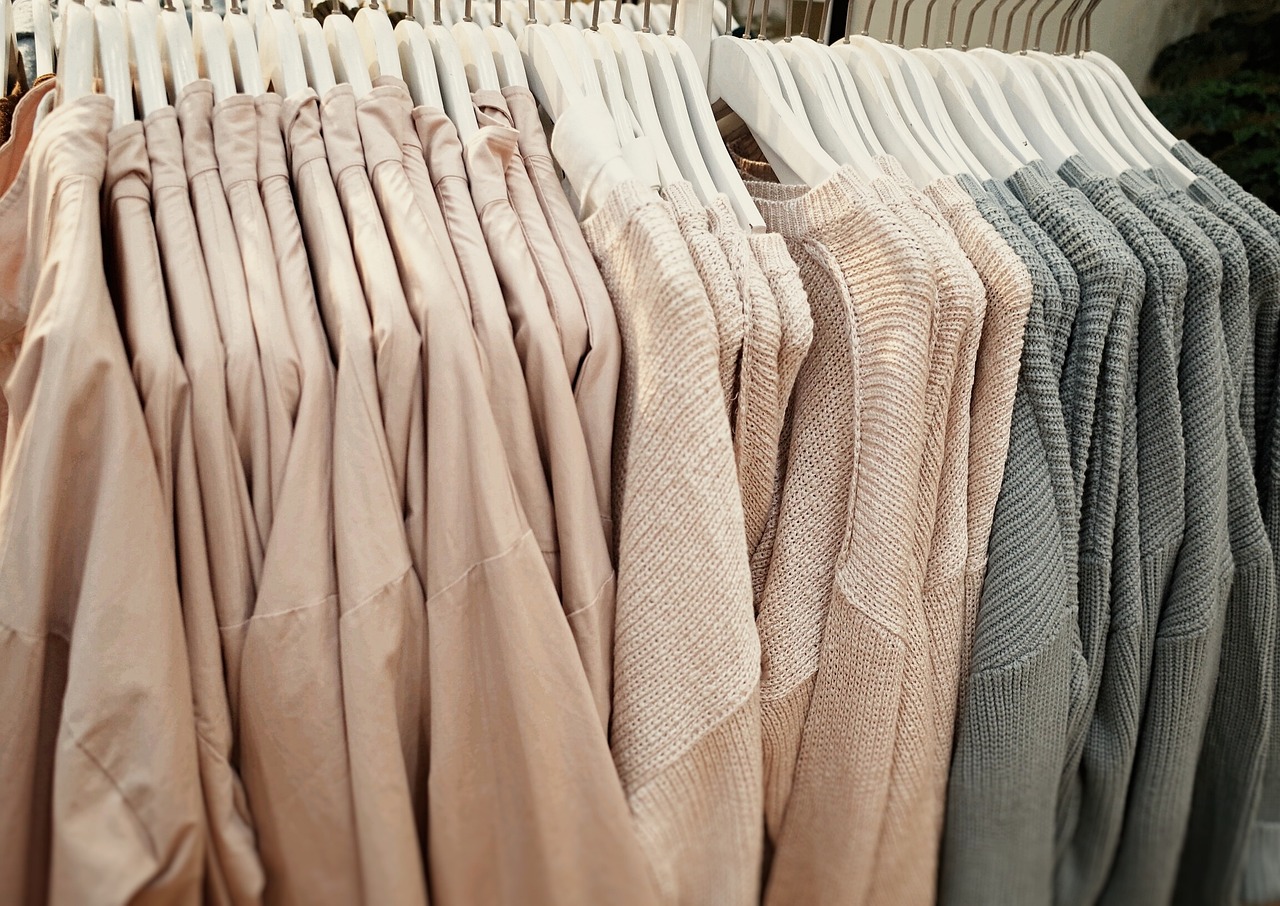
Meanwhile, Balenciaga took a bold step with their avant-garde collection, challenging traditional fashion norms. Demna Gvasalia, known for his innovative approach, showcased oversized silhouettes and unconventional materials. The collection was a commentary on the evolving landscape of fashion, where the lines between art and clothing continue to blur.
Controversies Stirring the Fashion World
While Fashion Week is primarily a celebration of creativity, it is not without its share of controversies. This year, several issues emerged, sparking debates and discussions across the industry.
One of the most significant controversies revolved around cultural appropriation. A prominent designer faced backlash for incorporating traditional cultural elements into their collection without proper acknowledgment or respect for their origins. This raised questions about the fine line between cultural appreciation and appropriation, urging designers to be more mindful and respectful of diverse cultures in their work.
Another hot topic was the ongoing debate about diversity and inclusion. Although progress has been made in recent years, many critics argue that the fashion industry still falls short in representing diverse body types, ethnicities, and gender identities. Fashion Week saw a mix of inclusive casting and traditional standards, igniting discussions about the industry’s responsibility to reflect the diverse world we live in.
The use of technology in fashion also sparked conversations. Several designers incorporated digital elements into their shows, from virtual reality experiences to digital-only collections. While some praised these innovations for pushing the boundaries of fashion, others expressed concerns about the loss of traditional craftsmanship and the potential alienation of audiences who prefer the tactile experience of fashion.
The Influence of Street Style
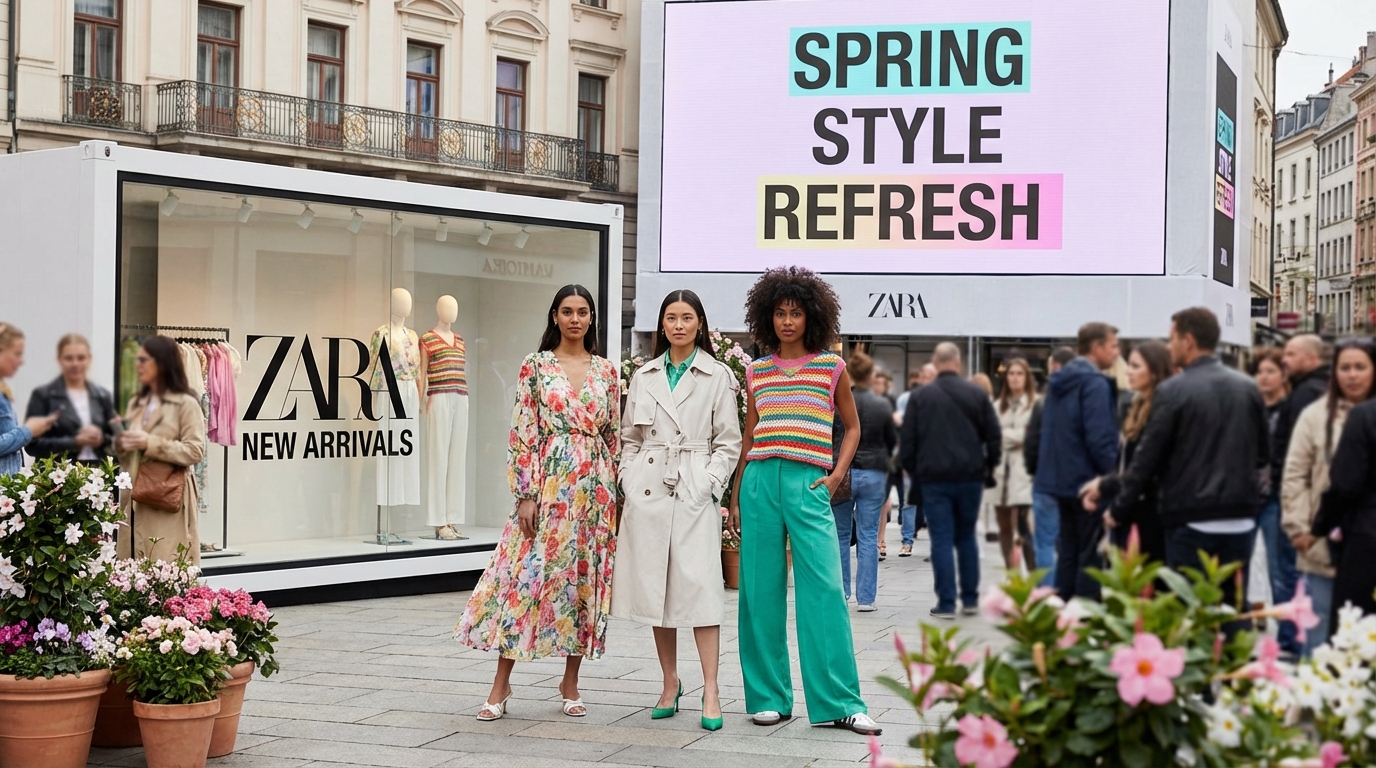
Street style has become an integral part of Fashion Week, with influencers and attendees showcasing their personal style outside the runway shows. This year, street style was dominated by bold colors, oversized silhouettes, and a mix of high and low fashion. Influencers like Chiara Ferragni and Aimee Song were spotted in statement pieces that combined luxury with accessibility, highlighting the democratization of fashion.
Street style serves as a reflection of current trends and often influences designers in their future collections. It is a testament to the power of personal style and the growing importance of individual expression in the fashion world.
Looking Ahead: The Future of Fashion Weeks
As the fashion industry continues to evolve, so do the expectations and formats of Fashion Weeks. The rise of digital technology has paved the way for virtual shows and live-streamed events, making fashion more accessible to global audiences. This shift raises questions about the future of traditional runway shows and the role of physical presence in the fashion experience.
Furthermore, the increasing emphasis on sustainability and ethical practices is shaping the future of fashion. Designers are recognizing the importance of responsible production and consumption, leading to an era where sustainability is not just a trend but a fundamental aspect of fashion.
Conclusion: A Season to Remember
Fashion Week has once again proven to be a dynamic and transformative event, showcasing the creativity and innovation that define the fashion industry. From breathtaking collections to thought-provoking controversies, this season has left a lasting impact on the fashion world. As we look forward to the next Fashion Week, it is clear that the industry is on the brink of exciting changes, driven by a commitment to diversity, sustainability, and technological advancement. The conversations sparked this season will continue to influence the future of fashion, making it an exciting time for designers, consumers, and enthusiasts alike.
The Role of Social Media in Fashion Week
Social media platforms like Instagram, TikTok, and Twitter have become indispensable tools for promoting Fashion Week. They offer a behind-the-scenes look at the events, allowing followers to experience the excitement in real-time. Designers and brands have leveraged these platforms to reach broader audiences, often partnering with influencers to amplify their message.
Instagram Stories and Reels provide a dynamic way to showcase collections, while TikTok’s short video format allows for creative storytelling. The use of hashtags and live streaming has enabled fashion enthusiasts around the world to engage with Fashion Week like never before. This democratization of fashion has blurred the lines between insiders and the public, fostering a more inclusive atmosphere.
Moreover, social media has played a crucial role in highlighting the controversies and discussions that arise during Fashion Week. From cultural appropriation to diversity issues, these platforms have become arenas for debate, providing a voice to those who may not have been heard otherwise. The immediate feedback loop provided by social media allows brands to gauge public reaction and adjust their strategies accordingly.
Innovations in Fashion Technology
Technology continues to revolutionize the fashion industry, and this year’s Fashion Week saw several innovations that are shaping the future of fashion. Augmented reality (AR) and virtual reality (VR) have been integrated into fashion shows, offering immersive experiences that transcend traditional runway presentations. These technologies allow audiences to interact with collections, providing a new level of engagement.
Furthermore, artificial intelligence (AI) is being used to predict trends and personalize fashion experiences. Brands are utilizing AI to analyze consumer behavior, enabling them to create tailored collections that resonate with their audience. This data-driven approach is transforming the way designers conceptualize and present their work.
Wearable technology is another area of growth, with designers experimenting with smart fabrics and interactive garments. These innovations are not only functional but also add a futuristic element to fashion, appealing to tech-savvy consumers seeking something unique and cutting-edge.
The Impact of Global Events on Fashion Week
Global events, such as the COVID-19 pandemic, have significantly impacted Fashion Week, prompting a reevaluation of traditional practices. The pandemic accelerated the shift towards digital presentations, with many designers opting for virtual shows to adhere to health guidelines. This change has opened new opportunities for creative expression, as designers explore alternative methods to showcase their collections.

Additionally, the pandemic has heightened awareness of sustainability and ethical fashion. The industry is increasingly focused on reducing waste and promoting responsible production. This shift is evident in the growing number of designers who are embracing sustainable practices, from using eco-friendly materials to implementing transparent supply chains.
The ongoing geopolitical issues and economic uncertainties have also influenced fashion trends. Designers are creating collections that reflect the current climate, often incorporating elements of resilience and adaptability. These themes resonate with consumers who are navigating a rapidly changing world, making fashion a powerful medium for expression and connection.
The Future of Fashion Week: Embracing Change
The future of Fashion Week is poised to be dynamic and adaptive, reflecting the evolving landscape of the fashion industry. As designers and brands continue to embrace digital innovations, sustainability, and inclusivity, Fashion Week will remain a vital platform for showcasing creativity and sparking meaningful conversations.
Hybrid models that combine physical and digital elements are likely to become more prevalent, offering the best of both worlds. This approach allows for the tactile experience of traditional runway shows while also reaching a global audience through virtual platforms.
The emphasis on sustainability will continue to grow, with designers prioritizing ethical practices and environmentally friendly materials. This shift is not only necessary for the planet but also aligns with the values of today’s consumers, who are increasingly conscious of their impact.
In conclusion, Fashion Week remains a cornerstone of the fashion industry, celebrating innovation and creativity while also addressing the challenges and controversies that arise. As we look to the future, it is clear that Fashion Week will continue to evolve, embracing change and setting the stage for the next generation of fashion.