From Playroom to Showroom: The Emergence of Brutalist Designer Toys in Fashion
In the ever-evolving world of fashion, trends often emerge from the most unexpected sources. One such trend is the rise of brutalist designer toys, a fascinating blend of art, architecture, and childhood nostalgia, which has transitioned from niche collectible to a mainstream fashion influence. This article delves into the journey of brutalist designer toys from the playroom to the showroom, exploring their impact on the fashion industry and the unique elements that make them a cultural phenomenon.
The Origins of Brutalist Designer Toys
Brutalist designer toys are a subgenre of art toys characterized by their raw, unpolished aesthetics and architectural influences. The term “brutalism” originally referred to an architectural style that emerged in the mid-20th century, known for its stark, geometric forms and the use of raw concrete. This style has been translated into designer toys, with artists embracing minimalist designs and industrial materials.
The roots of designer toys can be traced back to the late 1990s and early 2000s in East Asia, where artists began creating limited-edition, collectible figures that blurred the lines between art and play. As these toys gained popularity, they started to attract the attention of fashion designers seeking fresh inspiration for their collections.
Brutalism in Fashion: A Perfect Match
Fashion has always been a fertile ground for cross-disciplinary influences, and brutalism is no exception. The stark, geometric lines and monochromatic palettes of brutalist architecture have found a natural home in the world of fashion design. This aesthetic aligns with contemporary fashion’s embrace of minimalism and deconstruction, making brutalist designer toys a perfect muse.
Designers such as Rick Owens, known for his avant-garde approach and appreciation for architectural form, have drawn inspiration from the brutalist movement. His collections often feature pieces that echo the rigid structures and bold shapes typical of brutalist toys and architecture. This intersection has allowed fashion to explore new dimensions of creativity by integrating unexpected elements into wearable art.
Collaborations and Cultural Impact
Collaborations between toy designers and fashion brands have further cemented the place of brutalist toys in the fashion industry. For example, the partnership between Japanese toy designer Tokidoki and various fashion labels has resulted in exclusive collections that blend playful toy elements with high-fashion sensibilities. These collaborations have expanded the reach of brutalist design beyond traditional art circles, introducing it to a broader audience.
The cultural impact of brutalist designer toys extends beyond fashion. These toys have become symbols of a new kind of luxury, one that values artistic expression and individuality over mass-produced opulence. They resonate with a generation of consumers who prioritize unique, story-driven products over conventional luxury items.
The Role of Social Media and Online Communities
Social media platforms and online communities have played a pivotal role in the rise of brutalist designer toys in fashion. Instagram, in particular, has become a hub for artists and collectors to showcase their creations, attracting the attention of fashion enthusiasts and designers alike. The visual nature of these platforms complements the striking aesthetics of brutalist toys, allowing them to reach a global audience.
Online communities such as Reddit’s Designer Toys forum provide a space for enthusiasts to share their collections, discuss trends, and connect with like-minded individuals. These communities have nurtured a culture of collaboration and innovation, further driving the integration of brutalist design into fashion.

Challenges and Criticisms
Despite their growing popularity, brutalist designer toys face challenges and criticisms. Some art critics argue that the commercialization of these toys dilutes their artistic value, transforming them into mere commodities. Others express concerns about the sustainability of producing collectible toys in a world increasingly aware of environmental issues.
Fashion brands incorporating brutalist elements must also navigate the fine line between inspiration and appropriation. Ensuring that collaborations and designs respect the cultural and artistic origins of brutalism is essential to maintaining authenticity and avoiding exploitation.
The Future of Brutalist Designer Toys in Fashion
The future of brutalist designer toys in fashion looks promising, with potential for even greater integration and innovation. As technology advances, new materials and techniques could enhance the creative possibilities for both toy designers and fashion brands. 3D printing, for example, offers new ways to explore form and texture, pushing the boundaries of what is possible in both toy design and fashion.
Furthermore, as the fashion industry continues to champion inclusivity and diversity, brutalist designer toys offer a platform for underrepresented voices and emerging artists to showcase their work. By embracing these toys, the fashion world can continue to challenge conventions and celebrate creativity in all its forms.
Takeaways
The emergence of brutalist designer toys in fashion is a testament to the power of cross-disciplinary collaboration and innovation. From humble beginnings as niche collectibles to their current status as fashion inspirations, these toys exemplify the fusion of art, architecture, and design. As they continue to influence the fashion industry, brutalist designer toys remind us of the importance of creativity, individuality, and the ever-present potential for transformation.

As we look to the future, the relationship between brutalist designer toys and fashion is set to evolve, offering exciting opportunities for artists, designers, and consumers alike. Whether you’re a fashion enthusiast or a toy collector, the world of brutalist design invites you to explore the intersection of creativity and culture in a unique and compelling way.
Exploring Materials and Techniques
The materials and techniques used in the creation of brutalist designer toys play a crucial role in their appeal and impact. Traditionally, these toys have been crafted from materials such as resin, vinyl, and even concrete, reflecting the raw, unrefined aesthetic of brutalist architecture. These materials lend an industrial feel to the toys, which resonates with both collectors and fashion designers looking to incorporate similar textures into their work.
Advancements in technology are expanding the possibilities for materials used in brutalist toy design. 3D printing technology has become increasingly popular, offering designers the ability to experiment with complex forms and intricate details that were previously difficult to achieve. This has not only increased the creative potential for toy designers but has also provided fashion designers with new inspiration for innovative structures and patterns in their collections.
The Role of Limited Editions and Exclusivity
One of the defining characteristics of brutalist designer toys is their limited-edition nature. These toys are often produced in small batches, making them highly sought after by collectors. The exclusivity associated with limited editions adds to their allure, positioning them as luxury items within both the toy and fashion markets.
Fashion brands have taken note of this exclusivity, realizing that offering limited-edition items can create a sense of urgency and desire among consumers. By collaborating with toy designers to produce exclusive pieces, fashion brands can tap into the dedicated fan base of toy collectors while simultaneously appealing to their own audience. This strategy not only drives sales but also fosters a sense of community and shared appreciation for unique, artistic products.

The Influence of Pop Culture
Pop culture has played a significant role in bringing brutalist designer toys into the fashion spotlight. Movies, television shows, and music videos often feature these unique toys, showcasing their distinct aesthetic to a wider audience. Celebrities and influencers who collect or endorse brutalist toys further amplify their visibility and desirability.
For instance, renowned artists and musicians have incorporated brutalist toys into their stage designs and personal collections, highlighting the cross-pollination between different creative disciplines. This exposure not only elevates the status of brutalist designer toys but also reinforces their connection to the broader cultural zeitgeist, making them a trendy and relevant influence in fashion.
Educational and Artistic Value
Beyond their aesthetic appeal, brutalist designer toys offer educational and artistic value. Many toy designers are artists in their own right, using their creations as a medium for social commentary and storytelling. The intricate designs and thought-provoking themes of these toys often reflect broader societal issues, encouraging collectors and fashion enthusiasts to engage with the underlying narratives.
Exhibitions and galleries dedicated to showcasing brutalist designer toys highlight their status as legitimate art forms. These events provide opportunities for artists to share their work with a wider audience and for the public to gain a deeper understanding of the craftsmanship and creativity involved in toy design. By bridging the gap between art and fashion, brutalist toys challenge traditional notions of both industries, promoting a more inclusive and dynamic cultural landscape.
A Global Phenomenon
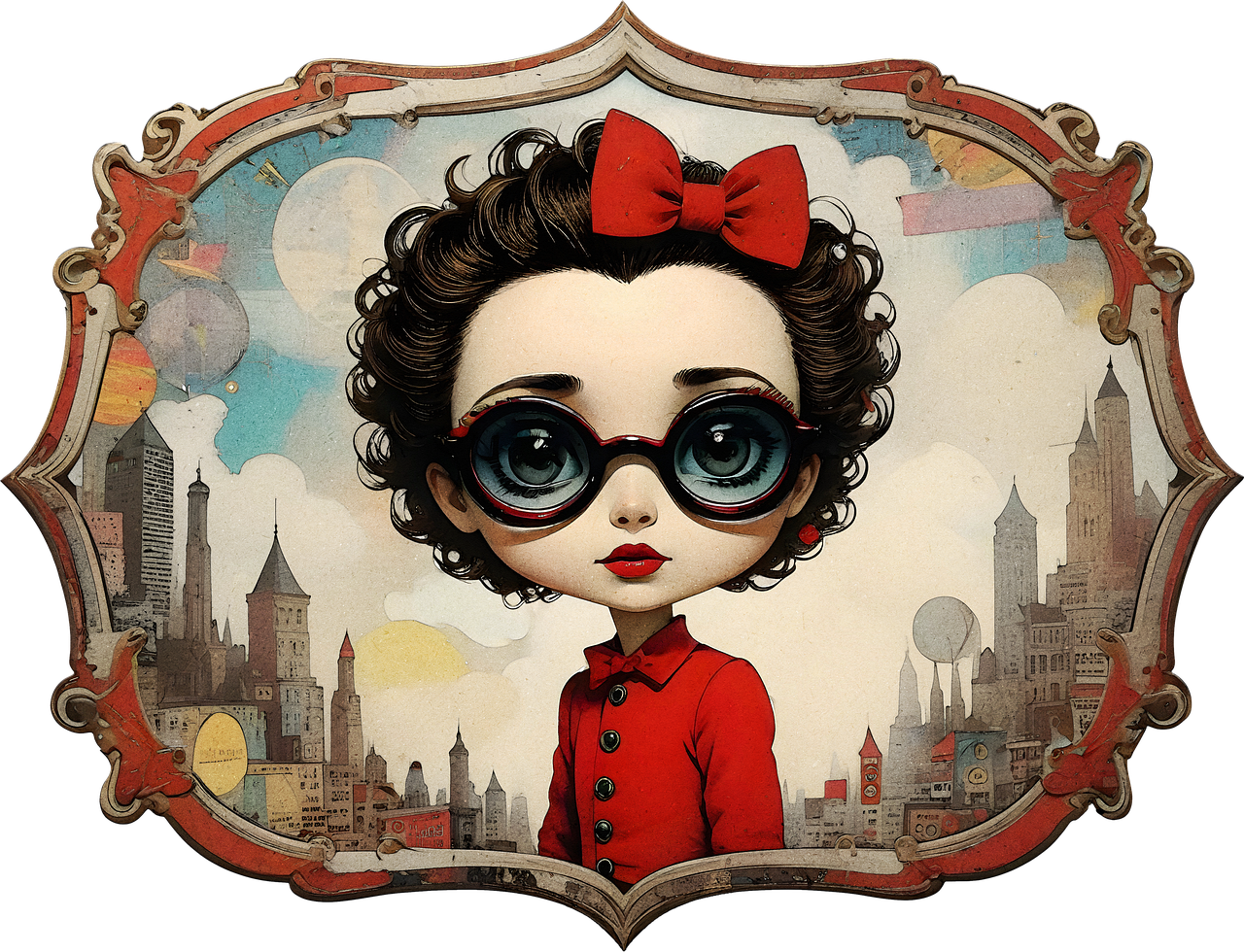
The rise of brutalist designer toys is not confined to any single region; it is a global phenomenon with diverse influences and participants. Artists from around the world contribute to the movement, infusing their cultural backgrounds and unique perspectives into their creations. This international collaboration enriches the brutalist toy landscape, offering a wide array of styles and interpretations that appeal to global audiences.
Fashion brands seeking to capitalize on this trend must consider the diverse origins and meanings behind brutalist toys. By embracing the global nature of this movement, brands can create collections that resonate with a wide range of consumers, reflecting the interconnectedness of today’s fashion and art scenes.
Conclusion: The Lasting Legacy of Brutalist Designer Toys
As brutalist designer toys continue to influence the fashion industry, their legacy is one of creativity, collaboration, and cultural exchange. These unique toys have transcended their origins as collectible art pieces to become powerful symbols of individuality and artistic expression. Their impact on fashion is a testament to the enduring power of cross-disciplinary inspiration and the limitless possibilities that arise when art, design, and culture intersect.
The journey from playroom to showroom is just the beginning for brutalist designer toys. As they evolve and adapt to the changing landscape of fashion and art, they will undoubtedly continue to inspire and captivate audiences worldwide. For fashion enthusiasts and collectors alike, the world of brutalist design offers a rich tapestry of creativity and innovation, inviting exploration and appreciation for the unexpected beauty found in raw, unrefined forms.
Need help with “From Playroom to Showroom: The Emergence of Brutalist Designer Toys in Fashion”?
yamarules-your way life
Need help with "From Playroom to Showroom: The Emergence of Brutalist Designer Toys in Fashion"? yamarules-your way life