Apple is reportedly developing its first MacBooks equipped with touchscreens, a significant shift for the company that has long resisted integrating touch directly into its laptop displays. The upcoming MacBook Pro models are also expected to feature the Dynamic Island, a distinctive interactive area currently found on the iPhone 14 Pro and iPhone 15 series, alongside a redesigned macOS interface tailored for touch input. This strategic move, reported by Bloomberg, signals a major evolution for Apple's professional laptop line, potentially arriving as early as 2025.
Background: The Long Road to a Touch-Screen Mac
Early Speculation and Apple’s Stance
For decades, Apple maintained a clear distinction between its touch-first iOS devices and its mouse-and-keyboard-driven macOS computers. The late Steve Jobs famously dismissed the idea of touchscreens on laptops, arguing that vertical touch surfaces lead to “gorilla arm” fatigue and that the ergonomics were inherently flawed for prolonged use. This philosophy guided Apple’s product development, leading to the iPad as its dedicated touch computing platform, while the Mac remained steadfastly traditional. Despite this, patents detailing touch-enabled Macs have surfaced over the years, fueling persistent speculation among industry observers and consumers alike.
The Rise of iPad and macOS Integration
The introduction of the iPad Pro in 2015, coupled with the Apple Pencil and later the Magic Keyboard, began to blur the lines between tablets and traditional laptops. iPadOS, while distinct from macOS, adopted more desktop-like features, pushing the iPad Pro closer to a laptop replacement for many users. Concurrently, Apple initiated efforts to bridge its software ecosystems. Project Catalyst (originally Marzipan) enabled developers to port iOS applications to macOS with minimal effort, bringing a new generation of touch-optimized apps to the Mac, albeit controlled by a trackpad or mouse. Features like Universal Control, introduced with macOS Monterey, further demonstrated Apple’s willingness to create seamless interactions between Macs and iPads, hinting at a future where the platforms might share more than just applications.
The Intel-to-Apple Silicon Transition
The monumental shift from Intel processors to Apple Silicon (M-series chips) beginning in 2020 provided a crucial foundation for this potential change. Apple Silicon chips, designed with a unified memory architecture and exceptional power efficiency, share a common lineage with the A-series chips powering iPhones and iPads. This architectural alignment facilitates greater synergy between Apple’s hardware and software platforms, making the integration of touch hardware and software features a more technically feasible and less compromise-laden endeavor. The M-series chips offer the raw processing power and thermal efficiency to drive high-resolution touch displays without significantly impacting battery life or form factor.
The Touch Bar Experiment
Before fully committing to a touch-screen Mac, Apple experimented with the Touch Bar on MacBook Pro models, introduced in 2016. This narrow OLED strip replaced the function keys, offering context-sensitive controls and shortcuts. While an innovative attempt to bring dynamic input to the Mac, the Touch Bar received mixed reviews. Many users found it less intuitive than physical keys, and developers struggled with widespread adoption. Its eventual removal from the redesigned 14-inch and 16-inch MacBook Pro models in 2021 suggested Apple was re-evaluating its approach to interactive elements on its laptops, potentially paving the way for a more comprehensive touch solution.
Key Developments: Bloomberg’s Report and Feature Set
The Core Revelation: Touch-Screen MacBook Pro
According to a detailed report by Bloomberg’s Mark Gurman, Apple engineers are “actively working” on adding touchscreens to the MacBook Pro. This marks a definitive pivot from the company’s long-held stance and represents one of the most significant hardware changes to the Mac lineup in years. The initial models to receive this functionality are expected to be part of the high-end MacBook Pro series, indicating Apple’s intent to introduce this premium feature to its most capable machines first. The report suggests that the core clamshell design of the MacBook Pro will be retained, distinguishing it from convertible laptops offered by competitors.
Dynamic Island Integration
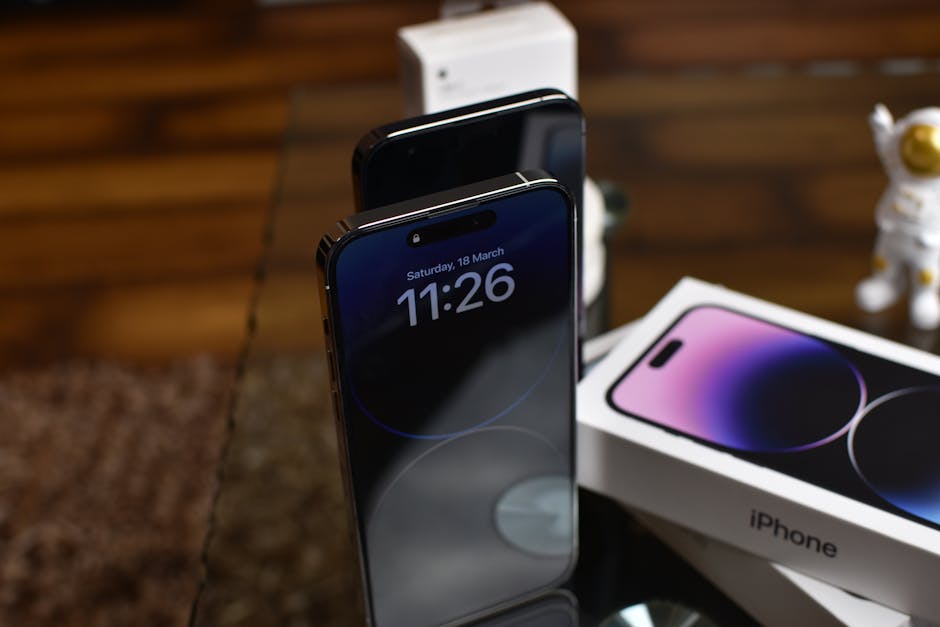
A standout feature expected to debut on these touch-screen MacBook Pros is the Dynamic Island. Introduced on the iPhone 14 Pro in 2022 and expanded to all iPhone 15 models, the Dynamic Island replaces the traditional notch with an adaptable, pill-shaped cutout that dynamically expands and contracts to display alerts, notifications, and background activities. On a MacBook Pro, the Dynamic Island could serve as an innovative way to present macOS notifications, system alerts, Face ID authentication prompts (if integrated), and live activity widgets without obstructing the main display content. Its adaptive nature would allow for seamless integration into the macOS user experience, providing quick access to controls or information related to ongoing tasks like music playback, timers, or video calls.
New Interface Elements for macOS
The introduction of a touch-screen undoubtedly necessitates a significant overhaul of macOS’s user interface. While the fundamental desktop metaphor is expected to remain, Apple will likely introduce larger hit targets for buttons and icons, new multi-touch gestures, and refined animations to make touch interaction more fluid and intuitive. Elements like scroll bars, menus, and window controls could be redesigned to be more finger-friendly. This could involve a subtle blending of macOS’s traditional precision with the more gestural, direct manipulation paradigms found in iPadOS, ensuring that the touch experience complements, rather than compromises, the existing mouse and trackpad interactions.
Hardware Considerations
Integrating a touchscreen into a MacBook Pro presents several hardware challenges. Apple will need to ensure the display maintains its renowned visual fidelity, including color accuracy, brightness, and resolution, while incorporating touch sensors. Durability will be paramount, requiring robust glass that can withstand frequent physical interaction. The display’s hinge mechanism will likely need to be re-engineered to provide stability during touch input, preventing screen wobble. Furthermore, the touch response must be incredibly precise and low-latency to deliver a premium user experience, akin to what users expect from an iPhone or iPad. Anti-glare coatings and fingerprint resistance will also be crucial for usability in various environments.
Software Synergy: Bridging macOS and iPadOS
The move towards a touch-screen MacBook Pro further blurs the lines between Apple’s distinct operating systems. While macOS is expected to remain its own powerful desktop OS, the addition of touch capabilities will inevitably draw it closer to iPadOS in terms of interaction. This could lead to enhanced cross-platform app experiences, where developers can more easily create applications that feel native on both touch-enabled Macs and iPads. It also raises questions about the future of macOS applications, particularly how existing apps will adapt to touch input and whether new, touch-first macOS applications will emerge, leveraging the unique capabilities of a touch-screen laptop.
Impact: Redefining the Laptop Landscape
Competition with Windows Convertibles
For years, Windows OEMs like Microsoft, Dell, HP, and Lenovo have offered a wide array of touch-screen laptops and 2-in-1 convertibles, often with pen input capabilities. Apple’s entry into this segment with a touch-screen MacBook Pro will significantly intensify competition in the premium laptop market. Unlike many Windows devices that prioritize versatility through detachable keyboards or 360-degree hinges, Apple is reportedly sticking to a traditional clamshell design, suggesting a different philosophy: enhancing the existing laptop experience with touch, rather than transforming it into a tablet. This approach could appeal to users who desire the power and familiarity of macOS with the added convenience of direct touch interaction.
Implications for the iPad Pro
The introduction of a touch-screen MacBook Pro raises important questions about the future positioning of the iPad Pro. For many users, the iPad Pro, especially with the Magic Keyboard, already serves as a highly capable portable computer, offering a touch-first experience. If the MacBook Pro gains touch, the iPad Pro will need to further differentiate itself. This could involve emphasizing its superior portability, advanced Apple Pencil integration for professional artists and designers, or potentially evolving iPadOS to offer even more desktop-like features, perhaps a true multi-user or multi-tasking environment that surpasses current capabilities. The two product lines may target increasingly distinct user needs, with the MacBook Pro remaining the powerhouse desktop-class machine and the iPad Pro excelling in mobile, creative, and highly portable scenarios.
User Experience Transformation
A touch-screen MacBook Pro has the potential to transform the user experience across various demographics. For creative professionals, direct manipulation on the screen could enhance workflows in graphic design, video editing, and 3D modeling applications. Students might find it more intuitive for note-taking, diagramming, and interactive learning. General users could benefit from quicker navigation, easier interaction with web content, and a more natural way to interact with certain apps. The combination of precise trackpad input and direct touch offers a hybrid experience that could cater to a wider range of tasks and personal preferences, providing flexibility previously unavailable on a Mac.
Developer Ecosystem Adjustments
The shift to touch-enabled Macs will require significant adjustments from Apple’s vast developer community. While Project Catalyst has already laid some groundwork for iOS apps on macOS, developers will need to optimize existing macOS applications for touch input. This means ensuring buttons are appropriately sized, gestures are recognized reliably, and the overall UI responds gracefully to finger input without compromising mouse/trackpad precision. It also opens up new opportunities for developers to create innovative touch-first macOS applications that leverage the unique capabilities of a touch display, potentially leading to a new wave of interactive software for the platform.
Market Share and Strategic Positioning
Apple’s foray into touch-screen MacBooks could significantly boost its market share in the premium laptop segment. By offering a feature that has long been a staple of its competitors, Apple could attract new customers who prefer the macOS ecosystem but previously opted for Windows machines due to the lack of touch. This move further solidifies Apple’s strategic positioning as a provider of premium, integrated hardware and software experiences, expanding the appeal of its ecosystem and potentially driving sales across its entire product portfolio, including services.
What Next: Timelines and Future Expectations
Projected Launch Window
Bloomberg’s report indicates that the first touch-screen MacBook Pro models could arrive “as early as 2025.” This timeline suggests that Apple engineers are deep into development, but also allows for the extensive testing and refinement characteristic of Apple’s product launches. A 2025 debut would likely mean an announcement at a dedicated Apple event in the fall, or potentially at the Worldwide Developers Conference (WWDC) earlier in the year, alongside a new version of macOS that fully supports touch. The “as early as” phrasing also leaves room for potential delays, as such a significant shift requires meticulous integration.
Iterative Development and First Models
It is highly probable that Apple will introduce touch functionality iteratively, starting with its high-end MacBook Pro models, such as the 14-inch and 16-inch variants. This allows the company to gather user feedback and refine the experience before potentially expanding touch capabilities to other Mac lines, such as the MacBook Air or iMacs. The initial models will likely focus on perfecting the core touch experience within the traditional clamshell form factor, rather than immediately venturing into more radical designs like convertibles or detachables.
Future of the Mac Lineup
The introduction of touch-screen MacBooks could herald a broader evolution for the entire Mac lineup. While the initial focus is on the MacBook Pro, it’s conceivable that touch capabilities could eventually extend to the MacBook Air, making Apple’s most popular laptop even more versatile. The possibility of touch-enabled iMacs or Mac Minis paired with external touch displays also exists, although these would present different ergonomic and design challenges. Ultimately, this move suggests a future where direct interaction with macOS is a standard option, not an exception, transforming how users engage with Apple’s desktop computing platform.
Remaining Challenges and Apple’s Approach
Despite the clear advantages, Apple faces several challenges. The primary one will be to ensure that the touch experience enhances, rather than detracts from, the traditional Mac experience. Balancing the precision of mouse/trackpad input with the fluidity of touch, and preventing “gorilla arm” fatigue, will be critical. Apple’s approach is expected to be meticulously engineered, focusing on seamless integration of hardware and software. The company will likely emphasize that touch is an *option* for interaction, complementing rather than replacing the keyboard and trackpad, ensuring the MacBook Pro remains a powerful, professional-grade laptop at its core.